

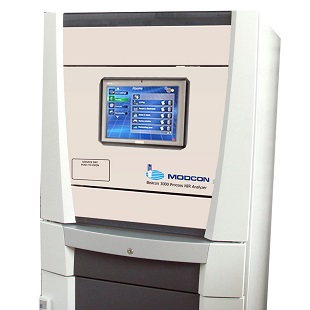
NIR Process Analysers
The pivotal role of a well-tuned Fluidized Catalytic Cracker (FCC) in modern refineries cannot be overstated. These units convert lower-value heavy distillates into high-value gasoline and olefins. To unlock their full potential, real-time insight into process streams is key — and that’s where near-infrared (NIR) process analysers step in.
Why FCC Units Need Better Monitoring
Historically, refineries processed lighter crude oils, yielding substantial volumes of gasoline directly. But shifts in feedstock economics have driven many plants toward heavier and more variable crude sources. As a result, FCC units now face higher complexity — feed variability, changing catalyst conditions, and more demanding yield targets.
Inefficient operation reduces yields, increases energy consumption, and undermines catalyst performance. The physical properties of feedstocks, intermediate streams, and final products are deeply interconnected — tracking them effectively is the foundation for optimized throughput and product quality.
Enter NIR Process Analysers
Traditional discrete analysers measure one property at a time, requiring numerous instruments — a high-cost and maintenance-intensive setup. In contrast, correlative analysers like NIR technology use spectroscopic methods to monitor multiple properties from a single probe, delivering rapid insight across multiple streams.
For example, NIR analysers can correlate with laboratory measurements of RON (research octane number), RVP (Reid Vapor Pressure), and T90% (temperature at 90% distillation) in FCC gasoline. This enables far faster and broader data capture than traditional lab testing.
Integrating with Simulation Models for Real-Time Control
When NIR analysers feed data into FCC process simulation and optimization software, plants gain a powerful control layer. These models use linear programming and other approaches to calculate optimal operating conditions based on feed properties and process variables.
By continuously validating the simulation with real-time NIR data, the model adapts to changing feed quality, catalyst activity, or process conditions — allowing the FCC to run closer to its most profitable mode: maximizing naphtha yield, minimizing catalyst recycle and coke formation, and curbing energy usage.
Beyond FCC: Hydrocracking and the Broader Impact
Although the focus is FCC, the same principles apply to hydrocracking units: heavy feeds, catalysts, variable yields, and premium quality targets. Real-time monitoring of physical properties across streams helps optimize cracking severity, hydrogen consumption, and yield quality.
In both cases, the payoff is clear: tighter control, higher throughput, better product quality and improved margins.
The Bottom Line
Optimizing an FCC unit is no longer just about making it run — it’s about making it run smart. On-line monitoring with NIR analysers, integrated with advanced simulation and optimization tools, brings real-time understanding of process behaviour. This leads to:
- Increased catalyst efficiency
- Reduced energy consumption
- Higher recovery of valuable gasoline components
- More responsive and flexible operations
In short: when you pair advanced analytics with modern control technology, FCC units become not just reliable assets, but profit-drivers for the refinery.